
Over 50% of South African landlords encounter costly disputes due to unclear insurance terms in lease agreements. This ongoing risk highlights how important it is for both property owners and tenants to understand who is responsible for what coverage. Knowing the different types of insurance and the details within these agreements helps prevent confusion and unexpected expenses. With the right knowledge, you can protect your property, your income, and your peace of mind.
Table of Contents
- Defining Insurance In Lease Agreements
- Types Of Insurance Relevant To Leases
- Key Coverage Features And Exclusions
- Legal Obligations For Landlords And Tenants
- Financial Risks And Claim Procedures
Key Takeaways
| Point | Details |
|---|---|
| Importance of Insurance | Insurance provisions in lease agreements protect both landlords and tenants against financial risks associated with property rental. |
| Types of Coverage | Key insurance types include buildings, contents, rental guarantee, and accidental damage coverage to safeguard interests. |
| Legal Obligations | Landlords must maintain comprehensive property insurance, while tenants are responsible for insuring personal belongings to meet legal requirements. |
| Claim Management | Proper documentation and prompt communication are essential for successful insurance claims, mitigating potential financial losses. |
Defining Insurance In Lease Agreements
Insurance in lease agreements represents a crucial protective mechanism for both landlords and tenants in South African property transactions. According to Wikipedia’s definition of South African law, a lease is fundamentally a contract where the lessor provides temporary use and enjoyment of a property in exchange for rent, with potential insurance provisions to mitigate potential risks.
A lease agreement with insurance goes beyond standard rental documentation by incorporating specific risk management strategies. As outlined by GenieAI, these specialised legal documents combine standard lease provisions with detailed insurance requirements, ensuring comprehensive protection and compliance with South African legislation.
Critical elements of insurance in lease agreements typically include:
- Property damage coverage
- Liability protection for both parties
- Potential tenant default or non-payment provisions
- Clear delineation of insurance responsibilities
Understanding these insurance components helps safeguard rental income and establishes a transparent framework for managing potential financial risks in property rental relationships. Properly structured insurance clauses can prevent misunderstandings and provide clear recourse should unexpected events occur during the lease term.
Types Of Insurance Relevant To Leases
Lease insurance encompasses a comprehensive range of protective measures designed to safeguard the financial interests of both landlords and tenants. According to the Landlords Association, commercial landlord insurance in South Africa offers multiple critical coverage types that address various potential risks in property rental scenarios.
The primary types of insurance relevant to lease agreements include:
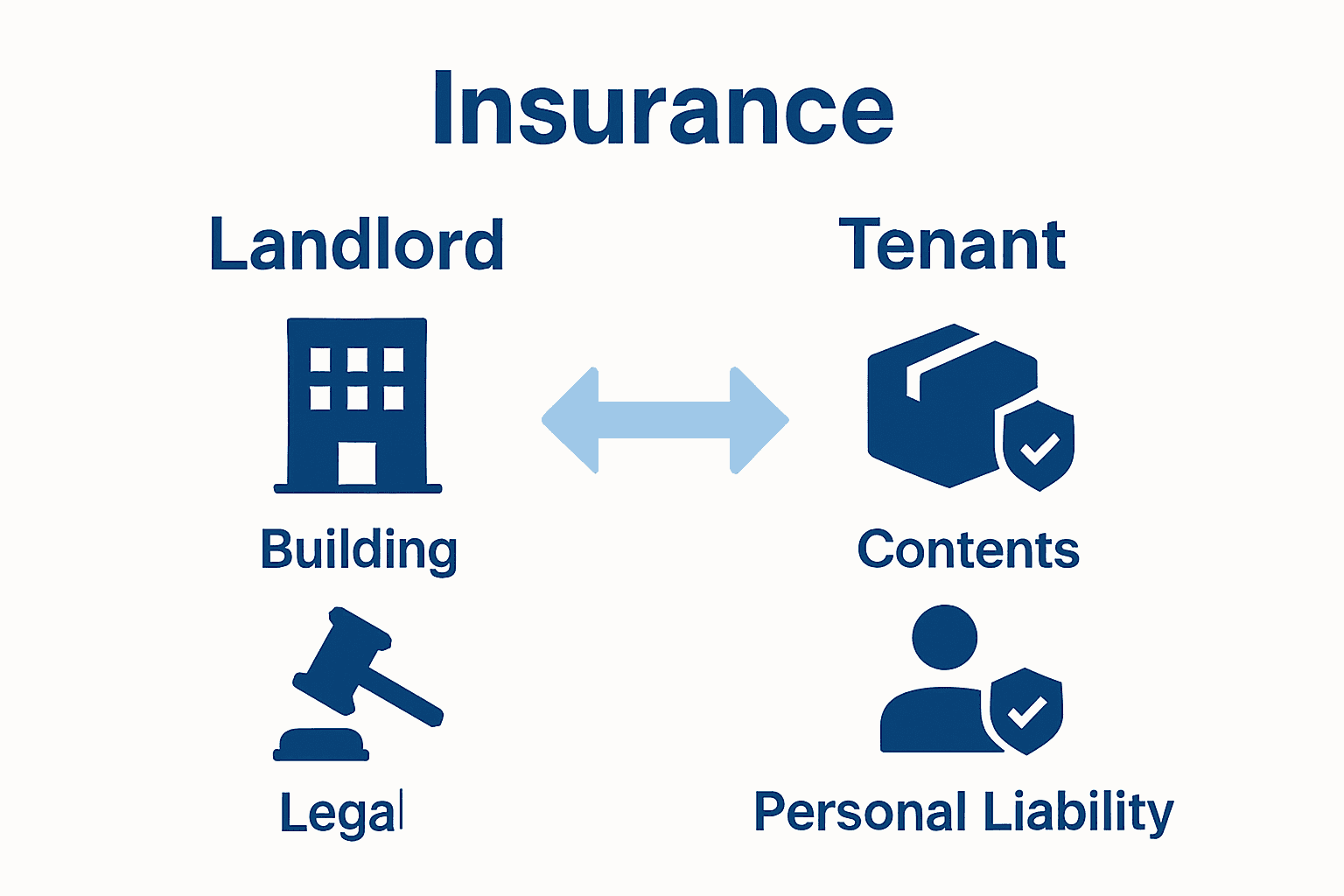
- Buildings Insurance: Covers structural damage to the property
- Contents Insurance: Protects movable assets within the leased premises
- Rental Guarantee Insurance: Provides income protection if tenants default
- Legal Expenses Insurance: Covers potential legal disputes related to the lease
- Accidental Damage Cover: Protects against unexpected property damage
Some specialized insurance options extend beyond basic coverage. Comprehensive landlord insurance guides highlight additional protective measures such as machinery breakdown insurance, flood and natural disaster coverage, and employer’s liability insurance. These targeted policies help mitigate specific risks that could potentially compromise a landlord’s financial stability.
Understanding and selecting the right combination of insurance types is crucial. Landlords should carefully assess their specific property characteristics, tenant profile, and potential risk factors to develop a robust insurance strategy that provides comprehensive protection while maintaining cost-effectiveness.
Key Coverage Features And Exclusions
Lease insurance requires a nuanced understanding of both comprehensive coverage and potential limitations. According to the Landlords Association, commercial landlord insurance provides critical protections, including safeguards against physical damage to buildings, loss of rental income, liability for premises-related injuries, and risks associated with tenant default.
Key coverage features typically include:
- Physical Property Protection: Covers structural damage and repairs
- Rental Income Guarantee: Compensates for lost revenue during property unavailability
- Liability Coverage: Protects against legal claims from tenant injuries
- Tenant Default Insurance: Provides financial security if tenants fail to pay
However, understanding policy exclusions is equally important. Essential landlord coverage guides highlight that standard policies often exclude certain scenarios such as:
- Deliberate tenant damage
- Normal wear and tear
- Specific natural disasters
- Unauthorized property modifications
- Unregistered tenant activities
Navigating these complex coverage details requires careful analysis. Landlords should meticulously review policy documents, ask detailed questions about potential exclusions, and potentially seek additional specialized coverage to ensure comprehensive protection against the unique risks inherent in property rental arrangements.

Legal Obligations For Landlords And Tenants
Insurance responsibilities in lease agreements create a complex landscape of legal obligations for both property owners and occupants. According to Fitzanne, landlords are typically responsible for insuring the fixed property structure, while tenants must cover their personal belongings within the rented premises.
Key legal obligations for landlords include:
- Maintaining comprehensive property insurance
- Ensuring the building meets safety standards
- Providing clear documentation of insurance coverage
- Addressing potential structural risks
- Maintaining the property in a habitable condition
Specialized commercial lease insights from Meyer Attorneys reveal that commercial leases often require more nuanced insurance provisions. Tenants may need to obtain specific insurance coverages like:
- Public liability insurance
- Business interruption insurance
- Contents insurance for business assets
- Professional indemnity coverage
- Equipment and machinery protection
Understanding legal protection for landlords becomes crucial in navigating these complex insurance landscapes. Both parties must carefully review lease agreements, understand their specific insurance obligations, and maintain transparent communication to ensure comprehensive risk management and legal compliance.
Financial Risks And Claim Procedures
Insurance claim management represents a critical aspect of protecting financial interests in lease agreements. According to the Landlords Association, landlords face substantial financial risks including potential loss of rental income and unexpected liability claims, making effective claim procedures essential for mitigating potential economic damages.
Key financial risks landlords must anticipate include:
- Unexpected property damage
- Tenant default or non-payment
- Extended vacancy periods
- Legal dispute expenses
- Structural repair costs
- Income interruption
The claim procedure typically involves several critical steps:
- Document the incident thoroughly
- Notify the insurance provider immediately
- Compile comprehensive evidence
- Submit detailed claim documentation
- Cooperate fully during investigation
The claim rental insurance process guide emphasizes that successful claims depend on meticulous record-keeping and prompt communication. Landlords must understand their policy’s specific requirements, maintain organized documentation, and act swiftly when unexpected financial challenges arise to maximize their potential for comprehensive insurance coverage and minimal economic disruption.
Secure Your Rental Income with Expert Lease Insurance Solutions
Navigating the complexities of insurance in lease agreements can feel overwhelming, especially when facing risks like tenant non-payment, property damage, or early lease termination. The article highlights key challenges such as ensuring rental income protection, understanding insurance responsibilities, and managing claim procedures effectively. If you want to prevent financial setbacks and gain peace of mind as a landlord, it is essential to have the right safeguards in place.
Take control today by exploring comprehensive rental income insurance designed specifically for landlords operating in South Africa. Our tailored solutions help you mitigate tenant defaults, cover unexpected vacancies, and protect your investment with confidence. Don’t let unforeseen issues threaten your income – visit Protect Your Rental Income Today and secure your property’s future now.
Frequently Asked Questions
What is the role of insurance in lease agreements?
Insurance in lease agreements serves as a protective mechanism for both landlords and tenants, providing coverage for potential risks such as property damage, liability, and tenant default, ensuring financial stability and compliance with legal requirements.
What types of insurance are typically included in lease agreements?
Common types of insurance relevant to lease agreements include buildings insurance, contents insurance, rental guarantee insurance, legal expenses insurance, and accidental damage cover, which help safeguard the financial interests of both parties.
What are some key coverage features to be aware of in lease insurance?
Key coverage features often include physical property protection against damage, rental income guarantee during property unavailability, liability coverage for injuries, and tenant default insurance for financial security if tenants fail to pay the rent.
What are the legal obligations for landlords and tenants regarding insurance?
Landlords are typically responsible for maintaining comprehensive property insurance and ensuring safety standards, while tenants should secure insurance for their personal belongings. Both parties must understand their specific obligations as outlined in the lease agreement.