
TL;DR:
- Understanding and properly drafting a tenancy agreement is essential for South African landlords and tenants to protect their legal rights and avoid costly disputes.
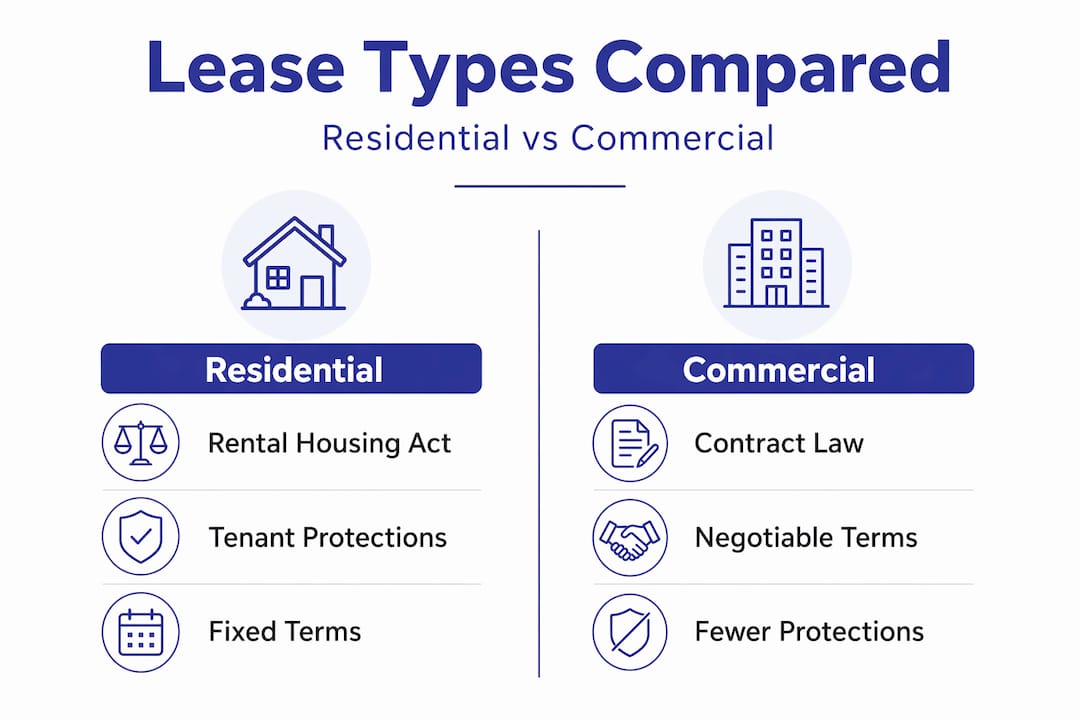
- Residential leases are regulated by the Rental Housing Act, offering stronger tenant protections, while commercial leases are governed mainly by contract law, allowing more negotiation.
If you have ever signed a lease without reading it properly, or worse, rented on nothing more than a handshake, you are not alone. Understanding what is a tenancy agreement is one of the most practical things any landlord or tenant in South Africa can do, because this single document governs your rights, your money, and your legal standing from the day you hand over the keys. Misunderstandings around rental contracts cost South Africans thousands of rands every year in preventable disputes, withheld deposits, and drawn-out evictions.
Table of Contents
- Key takeaways
- What a tenancy agreement is and what it must include
- Residential vs commercial tenancy agreements
- The risks of informal and generic agreements
- How to draft and manage a tenancy agreement effectively
- My perspective on tenancy agreements in South Africa
- Protect your rental income beyond the agreement
- FAQ
Key takeaways
| Point | Details |
|---|---|
| Legal definition matters | A tenancy agreement is a binding contract setting out the rights and obligations of both landlord and tenant. |
| Written agreements protect both parties | Section 5(2) of the Rental Housing Act compels landlords to provide a written lease upon request. |
| Residential and commercial leases differ | Residential leases fall under the Rental Housing Act; commercial leases are governed primarily by contract law. |
| Mandatory clauses exist for residential leases | Rent amount, deposit, escalation, notice periods, and maintenance responsibilities must all be included. |
| Inspections and defect lists are critical | Skipping a joint incoming inspection can cost landlords their right to claim deposit deductions later. |
What a tenancy agreement is and what it must include
A tenancy agreement, also called a lease agreement or rental contract, is a legally binding document between a landlord and a tenant. It records the terms under which the tenant occupies the property and the obligations both parties accept in exchange. Without it, you are relying on memory and goodwill. Neither is reliable in a dispute.
The mandatory contents under South African law
Section 5(6) of the Rental Housing Act sets out exactly what a residential tenancy agreement must contain. These are not suggestions:
- Full names and contact details of both the landlord and the tenant
- A clear description of the rental property, including the address
- The monthly rental amount and the date on which it is due
- Any agreed escalation clause, specifying when and by how much rent will increase
- The deposit amount and the terms governing its handling and refund
- The duration of the lease, whether fixed term or month to month
- The notice period required by either party to terminate the agreement
- A clear allocation of maintenance and repair responsibilities
Each of these elements carries legal weight. Leave any one of them out and you introduce ambiguity that a tenant or landlord could exploit in a dispute.
Deposits: the most misunderstood part of any lease
Deposits cause more friction between landlords and tenants than almost any other aspect of a rental relationship. The law is clear on this. Deposits must be held in an interest-bearing account, and the interest belongs to the tenant. At the end of the tenancy, landlords must refund the deposit within seven days if no repairs are needed, or within twenty-one days if they are claiming deductions, with proof attached. For a deeper understanding of how deposit rules work in practice, the rental deposit rules explained resource from Rentalincomeinsurance is worth reading carefully.
Pro Tip: Always confirm in writing that the deposit has been placed in an interest-bearing account. Ask for the account details if necessary. This prevents one of the most common post-tenancy disputes.
| Required clause | What it covers |
|---|---|
| Deposit terms | Amount, account type, refund timeline |
| Escalation clause | When and by how much rent increases |
| Notice period | How much warning either party must give |
| Maintenance allocation | Who fixes what during the tenancy |
| Defect list | Pre-existing damage documented at move-in |
Residential vs commercial tenancy agreements
Not all tenancy agreements work the same way. The type of property being rented determines which legal framework applies, and the difference is significant.
Residential leases: tenant-focused protection
Residential tenancy agreements are governed primarily by the Rental Housing Act, and the Act is deliberately designed to protect tenants. Residential leases provide stronger tenant rights and more defined landlord obligations than their commercial counterparts. The Consumer Protection Act also applies, which means any clause that attempts to waive a tenant’s statutory rights or impose an unfair penalty is unenforceable, regardless of whether both parties signed it.
For landlords, this means you cannot simply draft a lease that suits your preferences. The law overrides you on key points.
Commercial leases: flexible but unprotected
Commercial leases operate under general contract law. There is far more room for negotiation, and both parties can agree to almost any terms they choose. This flexibility sounds appealing, but it also means tenants have fewer automatic protections. A business owner signing a commercial lease needs to scrutinise every clause carefully because the law will not step in to rescue them from a bad deal the way it might in a residential context.

Key considerations that appear specifically in commercial leases include zoning compliance, permitted use clauses that restrict how the premises may be used, responsibility for fit-out costs, and exit or break clauses that can be very difficult to enforce without clear wording.
| Feature | Residential lease | Commercial lease |
|---|---|---|
| Governing law | Rental Housing Act, CPA | Contract law |
| Tenant protections | Strong, legislated | Negotiated only |
| Deposit rules | Strictly regulated | Flexible |
| Notice periods | Prescribed by law | As agreed |
| Use restrictions | General occupancy | Specific to business type |
The risks of informal and generic agreements
Many landlords download a free template from the internet, change the names, and call it done. This is one of the costliest mistakes in South African property rental.
Generic templates often fail to comply with the Consumer Protection Act and the Prevention of Illegal Eviction Act, known as the PIE Act. Clauses that appeared standard a decade ago may now be unenforceable or even illegal. A landlord who uses an outdated template could inadvertently include terms that a court will strike out, leaving them with no recourse when a tenant breaches the agreement.
Verbal leases are another common trap. They are technically legal in South Africa, but informal digital agreements via WhatsApp or email are notoriously difficult to enforce because proving what was actually agreed becomes a word-against-word exercise. The absence of a formal document does not erase the tenancy. It just makes disputes far harder and more expensive to resolve.
A few risks that arise from poorly constructed or informal agreements:
- No clear record of the agreed rental amount or escalation rate
- Disputes over who is responsible for repairs
- Inability to claim deposit deductions without documented proof of damage
- Difficulty enforcing notice periods or pursuing eviction through the courts
- Exposure to claims of unfair contract terms under the Consumer Protection Act
Pro Tip: If your tenancy began informally via WhatsApp, formalise it immediately. Draft a written agreement, have both parties sign it, and attach a defect list. Even mid-tenancy formalisation dramatically reduces your legal risk.
The legal requirements for landlords are not optional. Landlords who refuse to provide a written lease when requested are in breach of the Rental Housing Act and face potential penalties.
How to draft and manage a tenancy agreement effectively
Getting the agreement right at the start of a tenancy saves a considerable amount of time, money, and frustration later. Here is a practical approach that works in the South African context.
- Use a compliant template as a starting point. A good rental agreement checklist will help you confirm that all mandatory clauses are present. Never rely on a template alone. Have it reviewed.
- Get professional input. Most landlords underestimate the need for legal advice when drafting leases. A qualified attorney or a registered estate agent can identify clauses that are problematic before they cause damage.
- Conduct a joint incoming inspection. Without a joint inspection, the property is deemed to be in good condition at the start of the lease. This single omission can strip a landlord of their ability to deduct for damage at the end of the tenancy. Walk through the property together, photograph everything, and have both parties sign the inspection report.
- Attach a written defect list. A missing defect list annexure weakens every deposit claim you might need to make. Document pre-existing damage in writing and attach it to the lease on day one.
- Confirm deposit placement in writing. The deposit must go into an interest-bearing account. Note the details in the agreement and confirm them separately in writing to the tenant.
- Set clear notice and termination procedures. Specify exactly how notice must be given, in what form, and to which address. Ambiguity here leads to disputes about whether valid notice was ever served.
Pro Tip: When using agreements to support your rental income protection strategy, tie your insurance products to the same terms in your lease. If your policy covers non-payment from month two, your lease notice period should be clearly aligned with that timeline.
For a thorough walkthrough of drafting a compliant lease, the rental agreement drafting guide from Rentalincomeinsurance covers the detail most landlords miss.
My perspective on tenancy agreements in South Africa
I have seen too many landlords treat the tenancy agreement as a formality. They spend months finding the right tenant, decorating the property, and getting it ready. Then they print a two-page generic lease and consider it done. That is where the problems begin.
The uncomfortable truth is that a poorly drafted lease does not just fail to protect you. It actively creates risk. I have watched landlords lose deposit disputes not because they had bad evidence, but because their agreement contained unenforceable penalty clauses. The tenant’s attorney pointed to the Consumer Protection Act and the landlord had no leg to stand on.
What has genuinely proven effective is treating the tenancy agreement as an operational document, not just a legal formality. That means updating it whenever legislation changes, attaching a fresh defect list to every new tenancy, and conducting the incoming inspection as a proper appointment rather than a five-minute walkthrough.
From the tenant’s side, the advice is equally direct. Read every clause before you sign. Ask about escalation rates. Request the deposit account details in writing. And if a landlord refuses to put the agreement in writing, take that as a serious warning sign about the tenancy ahead.
A well-constructed lease is not bureaucracy. It is the foundation of a working rental relationship.
— Coert
Protect your rental income beyond the agreement
A solid tenancy agreement is your first line of defence as a landlord. But even the most carefully drafted lease cannot guarantee that rent will arrive on time, or that a tenant will not walk out three months into a twelve-month contract. That is where Rentalincomeinsurance becomes relevant. Rentalincomeinsurance offers rental income protection designed specifically for South African landlords, covering tenant non-payment, early lease termination, and absconding tenants. Cover for early lease termination can protect up to three months of lost rent when a tenant exits without proper notice. Pair that with a compliant tenancy agreement and you have both legal clarity and financial cover working together. Request a quote today and find out what it costs to protect your rental income properly.
FAQ
What is a tenancy agreement in South Africa?
A tenancy agreement is a legally binding contract between a landlord and a tenant that sets out the terms of a rental arrangement, including rent, deposit, notice periods, and maintenance responsibilities. Residential agreements must comply with the Rental Housing Act.
Does a tenancy agreement have to be in writing?
Verbal leases are legal in South Africa, but landlords are legally required to provide a written agreement if the tenant requests one under Section 5(2) of the Rental Housing Act. Written agreements are strongly advisable for both parties.
What happens if there is no joint incoming inspection?
If no joint incoming inspection is conducted, the property is legally deemed to be in good condition at the start of the lease. This means landlords cannot claim deposit deductions for damage that they cannot prove occurred during the tenancy.
How long does a landlord have to refund a deposit?
Landlords must refund the deposit within seven days if no repairs are needed after the tenancy ends. If deductions for repairs are claimed, the refund with supporting invoices must be processed within twenty-one days.
What is the difference between a residential and a commercial tenancy agreement?
Residential tenancy agreements are governed by the Rental Housing Act and provide strong legislated tenant protections. Commercial leases are governed by general contract law, giving both parties more negotiating flexibility but offering tenants far fewer automatic rights.
Recommended
- Legal requirements for South African landlords: Essential guide – Rental Income Insurance
- Understanding Common Tenancy Issues for South African Landlords
- Rental agreement checklist for South Africa 2026 – Rental Income Insurance
- Rental agreement drafting guide for South African landlords – Rental Income Insurance